Cold Weather, Hot Mess: How Winter Quietly Sabotages Your Fuel System
Most drivers think of winter car trouble as dead batteries and frozen door locks. But there's a slower, sneakier problem brewing inside your fuel tank every time the temperature dips below freezing — and it doesn't announce itself until something breaks.
At Top Tank Up, we see the aftermath of neglected winter prep all the time. The good news? A little understanding goes a long way. Let's break down exactly what cold weather does to your fuel system and what you can do about it before December hits.
What Cold Temperatures Actually Do to Fuel
Gasoline isn't a single substance — it's a blend of dozens of hydrocarbons, and different components behave differently in the cold. When temperatures fall, fuel becomes more viscous. It doesn't flow as freely through your fuel lines, injectors, or pump. That extra resistance means your fuel pump has to work harder just to deliver the same amount of fuel it handled effortlessly in July.
Diesel owners feel this even more sharply. Diesel fuel contains paraffin wax compounds that can actually solidify when temps drop, a phenomenon called "gelling." Once diesel starts to gel, it can clog fuel filters and lines fast — sometimes within hours of an overnight freeze. If you've ever climbed into your diesel truck on a January morning and had it crank but not start, gelling is likely the culprit.
For gasoline-powered vehicles, the concern is slightly different but still real. Cold fuel doesn't atomize as well inside the combustion chamber, which means incomplete burns, rough idling, and a noticeable drop in fuel efficiency during winter months.
The Condensation Problem Nobody Talks About
Here's the one that surprises most drivers: your fuel tank breathes. As temperatures swing between day and night, the air inside your tank expands and contracts. That process pulls moisture-laden air in through the tank's vent system. When that moisture-carrying air hits the cold metal walls of your tank, condensation forms.
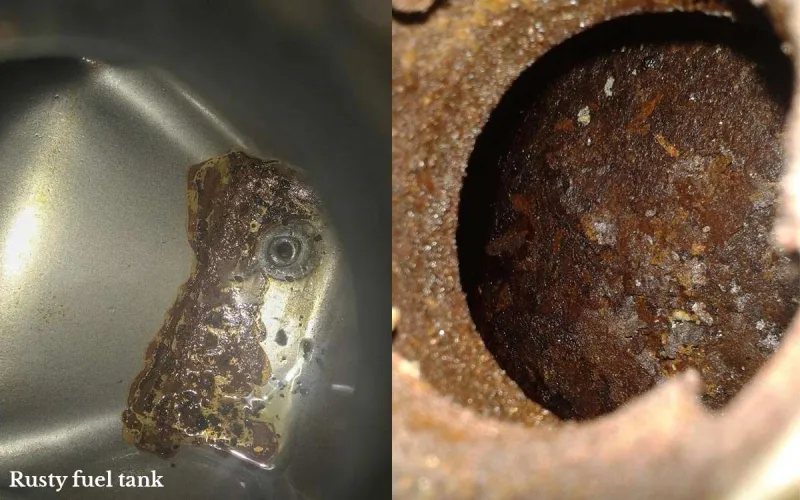
Over time, that water accumulates at the bottom of your tank. Water and fuel don't mix — they separate. When your fuel pump draws from the bottom of the tank (which is exactly where the pickup tube sits), it can pull water into your fuel lines. Water in your fuel system corrodes injectors, damages the pump, and can cause misfires or stalling.
The fix? Keep your tank fuller during winter. A tank that's half empty has a lot more air space — and a lot more room for condensation to form. Topping off regularly during the cold months reduces that air pocket and limits moisture buildup. It's one of the simplest winterization habits you can build, and it costs nothing extra.
Why Seasonal Fuel Blends Actually Matter
You may have noticed that gas prices tend to shift in fall and spring. Part of that is the switchover between summer and winter fuel blends — and it's not just a pricing quirk. Refiners adjust gasoline formulations seasonally to account for cold-weather performance.
Winter-blend gasoline has a higher Reid Vapor Pressure (RVP), meaning it vaporizes more easily in cold conditions. That matters because your engine needs fuel vapor to combust, not liquid droplets. A fuel that won't vaporize properly at 15°F is going to cause hard starts and rough performance no matter how well-maintained your vehicle is.
The flip side is that winter-blend fuel contains slightly less energy per gallon than summer blend, which is one reason your MPG tends to drop in winter even when you're not running the heat constantly. It's not your imagination — the fuel itself is part of the equation.
If you're filling up near a state border or in a rural area that may lag behind on seasonal switchovers, it's worth paying attention to when your local stations make the transition.
Winterization Steps to Take Before the Cold Sets In
Don't wait until your truck won't start in a snowstorm to think about fuel system prep. Here's a practical pre-winter checklist:
Check and replace your fuel filter. A partially clogged filter that barely causes issues in warm weather can become a serious restriction when fuel is flowing sluggishly in the cold. If you haven't swapped it in the past year, fall is the right time.
Add a quality fuel system treatment. Fuel additives formulated for winter use can prevent diesel gelling, absorb trace moisture in gasoline tanks, and help keep injectors clean when cold starts put extra strain on the system. Look for products that specifically address water absorption and low-temperature performance.
Inspect fuel lines for cracks. Rubber fuel lines become brittle over time, and cold temperatures accelerate that process. A small crack that seeps in summer can open up wider in a hard freeze. A quick visual inspection under the hood can catch these early.
Test your fuel gauge sender. Cold weather can cause erratic fuel gauge readings in vehicles where the sending unit is already marginal. If your gauge has been a little unreliable, winter is the worst time to trust it blindly — a misread gauge plus cold temps is a recipe for running dry at the worst possible moment.
For diesel trucks, consider a winter-grade fuel additive or fuel heater. Anti-gel additives are widely available and inexpensive relative to the cost of a tow and filter replacement. Inline fuel heaters are a worthwhile upgrade for drivers in the northern US who regularly see temps below 20°F.
Warning Signs That Cold Has Already Gotten to Your Fuel System
Sometimes winter catches you off guard. Here's how to recognize that your fuel system is struggling:
- Hard starts in the morning that improve once the engine warms up — classic cold fuel atomization issue
- Rough idling or hesitation during the first few minutes of driving
- Sudden drop in fuel economy beyond what you'd expect from seasonal blend differences
- Stalling in stop-and-go traffic during cold snaps, which can indicate water in the fuel or a struggling fuel pump
- Diesel engines that crank repeatedly without firing on cold mornings — suspect gelling immediately
Any of these symptoms warrants attention before they compound into something more expensive.
Don't Let Winter Catch Your Tank Off Guard
Your fuel system is working harder in winter than you probably realize. Between thicker fuel, condensation risks, and the demands of cold starts, it's one of the most stressed components on your vehicle during the colder months. A little proactive care in October or November can save you from a breakdown in February.
At Top Tank Up, we're here to help you stay ahead of every season — not just react when something goes wrong. Whether you drive a daily commuter or a work truck that can't afford downtime, your fuel system deserves the same winter prep attention you give your tires and battery.