E10, E85, or Top Tier? Breaking Down What's Really in Your Gas Tank
Pull into any gas station in America and you've got choices. Regular, mid-grade, premium. Sometimes E85. Maybe a pump with a Top Tier sticker on it, maybe not. Most drivers just grab whatever's cheapest and move on — and honestly, that works fine most of the time. But if you're managing a fleet, driving a high-mileage truck, or running an older vehicle with a carburetor, the fuel you choose actually matters more than you might think.
This isn't about brand loyalty or marketing. It's about chemistry, engineering tolerances, and what different fuel blends do to the components inside your fuel system over thousands of miles. Let's cut through the noise.
What Ethanol Is Actually Doing in Your Fuel
If you've been filling up at a standard US gas station for the past decade or so, you've been running ethanol-blended fuel whether you knew it or not. E10 — gasoline blended with 10% ethanol — is essentially the default across most of the country, mandated in large part by the federal Renewable Fuel Standard.
Ethanol has some genuine benefits. It's domestically produced, it boosts octane, and it burns cleaner in terms of some emissions. But it also comes with tradeoffs that are worth understanding, especially if you're putting serious miles on your vehicle.
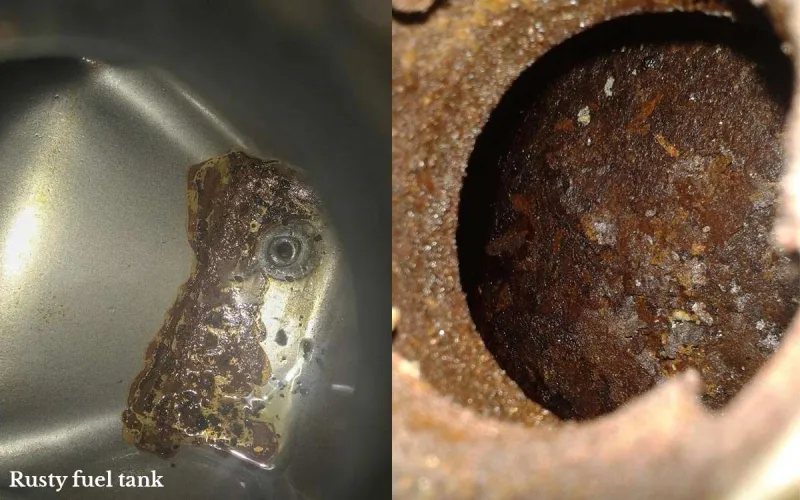
The big one is hygroscopy — ethanol's tendency to attract and hold water. Unlike gasoline, which repels water, ethanol molecules bond with water molecules readily. In a fuel system, this means ethanol-blended gas can pull moisture from the air inside your tank and hold it in suspension. Under the right conditions (temperature swings, a tank that sits partially empty for extended periods), that water can separate from the fuel in a process called phase separation — essentially creating a layer of water and ethanol at the bottom of your tank. That layer doesn't burn well, it can corrode metal components, and it can damage rubber seals and fuel lines, particularly in older vehicles.
For most modern cars and trucks built after the mid-2000s, E10 is no big deal. Manufacturers design fuel systems to handle it. But for classic vehicles, small engines (think lawn equipment or older motorcycles), and anything that sits for long stretches, ethanol's water-attracting behavior is a legitimate concern.
E85: A Different Animal Entirely
E85 — up to 85% ethanol — is a different conversation. It's designed for flex-fuel vehicles, which are specifically engineered with fuel system components that can handle high ethanol concentrations. The rubber seals, fuel lines, injectors, and even the engine's fuel mapping are built for it.
If you're running E85 in a non-flex-fuel vehicle, stop. Seriously. The higher ethanol concentration will degrade seals, damage injectors, and potentially void your warranty in short order. The savings at the pump (E85 is usually cheaper per gallon) disappear fast when you factor in repair costs.
For fleet managers running flex-fuel trucks — which are common in government and commercial fleets — E85 can make economic and operational sense, especially where it's readily available. Just be aware that fuel economy drops with E85 (ethanol has less energy per gallon than gasoline), so your cost-per-mile math needs to account for that.
What Does "Top Tier" Actually Mean?
You've probably seen the Top Tier logo on gas pumps at stations like Costco, Shell, Chevron, and a handful of others. It's not a government standard — it's a voluntary certification program originally developed with input from major automakers including GM, Toyota, BMW, and others who were frustrated with fuel quality inconsistency.
Here's the core issue: the EPA sets a minimum detergent requirement for gasoline, but that minimum is pretty low. Over time, fuels that just barely meet the minimum standard can leave carbon deposits on intake valves and fuel injectors — deposits that hurt performance, reduce fuel economy, and in some engines can cause real long-term damage.
Top Tier certified fuels contain significantly higher levels of detergent additives than the EPA minimum requires. Independent testing — including a well-known AAA study — has found that vehicles running Top Tier fuel consistently showed less intake valve and combustion chamber deposits compared to those running non-Top Tier fuel over the same mileage.
The practical upshot: if you're driving a modern vehicle with direct injection (which describes most new cars and trucks sold in the US today), deposit buildup on intake valves is a known issue. Top Tier fuel won't eliminate it entirely, but it does reduce the rate of buildup. For fleet vehicles putting on high annual mileage, that can translate to fewer cleanings and longer injector life.
Busting a Few Common Myths
Myth: Premium fuel is always better for your engine. Premium fuel has a higher octane rating, which is relevant if your engine has a high compression ratio and is prone to knock. If your owner's manual says "regular recommended," running premium is just burning extra money. The detergent content between regular and premium at the same station is typically the same — octane is the difference, not cleaning power.
Myth: Ethanol is always bad for your fuel system. For most vehicles on the road today, E10 is perfectly fine. The concern is more pronounced for older vehicles, small engines, and anything that sits unused for extended periods. Know your vehicle.
Myth: Fuel additives are a substitute for quality fuel. Additives can help — a good fuel system cleaner used periodically is a worthwhile part of maintenance. But they're a supplement, not a replacement for consistently using quality fuel with adequate detergent levels.
So What Should You Actually Be Running?
Here's a practical breakdown based on vehicle type:
Modern cars and light trucks (2010 and newer): E10 is fine for daily driving. If your budget allows, Top Tier stations are worth choosing when convenient — the deposit reduction benefits are real, especially for direct-injection engines. Use the octane grade your manufacturer recommends.
High-mileage fleet vehicles: Top Tier fuel is a smart choice for the long game. Reducing injector deposits means fewer service intervals and more reliable performance across a large fleet. The per-gallon cost difference is usually minimal.
Classic and vintage vehicles: Stick to ethanol-free fuel where you can find it (check pure-gas.org for stations near you). If ethanol-free isn't an option, use a quality ethanol treatment additive and keep the tank full to minimize moisture exposure.
Flex-fuel trucks: If your vehicle is rated for E85 and you have access to it, run the numbers on cost-per-mile for your routes. Don't assume cheaper per-gallon equals cheaper per mile.
Small engines and seasonal equipment: Always use ethanol-free fuel or add a stabilizer if the equipment will sit for more than 30 days.
The Bottom Line
Fuel choices aren't one-size-fits-all. The right answer depends on your vehicle, how you drive it, and how long you plan to keep it running. What's consistent across the board is this: your fuel system is only as healthy as what you put into it. Whether you're running a single pickup or a fleet of service trucks, a little attention to fuel quality goes a long way toward keeping things running clean.
At Top Tank Up, that's the whole philosophy — the stuff that goes into your tank shapes everything that comes after it. Choose accordingly.