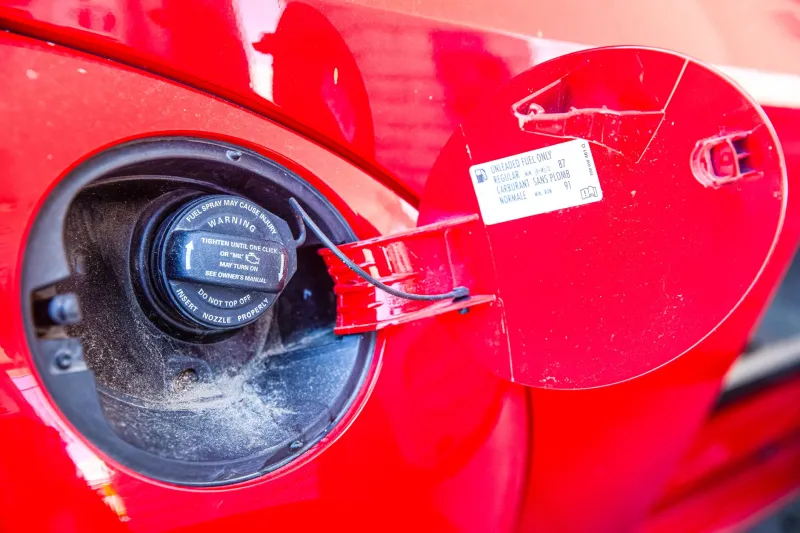
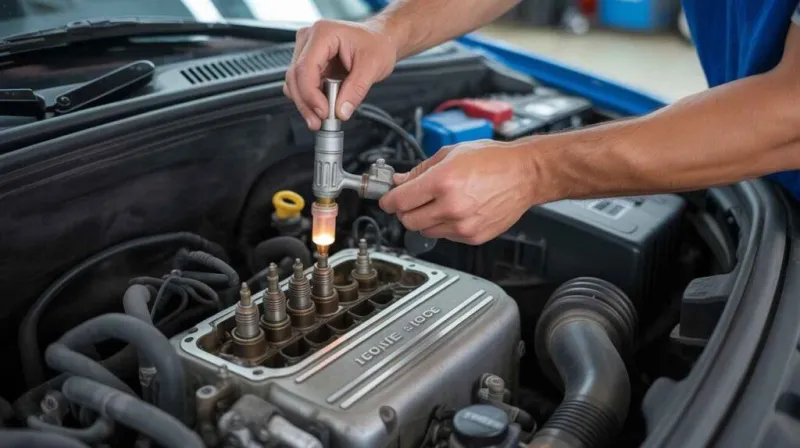
Beyond the Octane Label: How Diesel, Premium, and Regular Fuel Actually Affect Your Tank and Engine Over the Long Haul
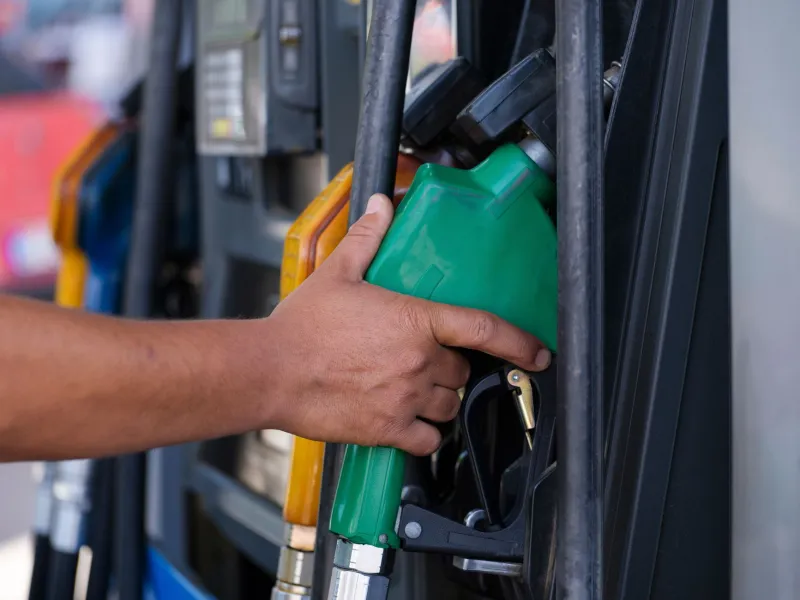
Every driver has an opinion about fuel grades. Some truck owners swear by premium. Others think it's a total waste of money. Diesel folks tend to keep to themselves and just nod knowingly. But here's the thing — most of these conversations stop at horsepower and miles per gallon. Almost nobody talks about what different fuels do to the physical components of your fuel system over time: the tank lining, the rubber seals, the fuel pump, and the injectors that your engine depends on every single day.
That's the conversation we're having today.
First, Let's Get the Basics Out of the Way
Octane rating — 87 (regular), 89 (mid-grade), 91-93 (premium) — is a measure of a fuel's resistance to premature ignition, also called knock or ping. Higher octane doesn't mean more energy or more power on its own. It means the fuel can handle higher compression without detonating before the spark plug fires. That's relevant if your engine is designed for it. If it isn't, you're largely paying for something your engine can't use.
Diesel is a different beast entirely. It ignites through compression, not a spark, and it carries more energy per gallon than gasoline. Diesel engines are built differently, fueled differently, and their fuel systems are designed around the unique properties of diesel — including its lubricity, its tendency to absorb water, and its different behavior in cold temperatures.
With that baseline established, let's get into what actually matters for long-term fuel system health.
What Regular Fuel Does to Your Tank and Seals Over Time
In the US, virtually all regular (87 octane) gasoline contains up to 10% ethanol — this is E10, the standard blend you'll find at most stations across the country. Ethanol is an alcohol, and alcohols are hygroscopic, meaning they attract and absorb water from the air. Over time, that water accumulates at the bottom of your fuel tank, creating conditions that promote corrosion in steel tanks and degradation in rubber seals and fuel lines.
For vehicles with older rubber fuel system components — think anything pre-2000 or vehicles that have sat for extended periods — regular E10 fuel can cause seals to swell, crack, or soften. Fuel tank linings in older vehicles weren't always designed with ethanol exposure in mind, and delamination is a real risk.
For modern vehicles with ethanol-compatible materials, regular fuel is perfectly fine for the fuel system — provided the vehicle isn't sitting unused for long stretches. The real long-term concern with regular fuel is deposit buildup in injectors, particularly if you're consistently buying from lower-tier stations that don't include robust detergent packages in their fuel.
Premium Fuel: Who Actually Benefits?
Here's where a lot of truck owners get misled. Premium fuel's primary advantage is knock resistance. If your engine has a high compression ratio, uses turbocharging or supercharging, or is specifically tuned to run on 91+ octane, then premium delivers real performance benefits and can protect your engine from the wear caused by detonation.
But from a fuel system perspective — tank linings, seals, injectors — premium gasoline isn't dramatically different from regular. Both are ethanol-blended in most cases. Both carry similar detergent additive packages at comparable quality tiers. Paying for premium in a vehicle that's rated for regular won't extend the life of your fuel pump or keep your tank cleaner.
Where premium does offer a marginal benefit is in Top Tier certified fuels. Top Tier is a voluntary standard that requires higher concentrations of deposit-control additives, and many premium-grade fuels from major brands (Shell, Chevron, Costco, BP) carry this certification. Consistent use of Top Tier fuel — at any octane level — has been shown to reduce intake valve and injector deposits compared to non-certified fuels. For high-mileage vehicles, that's genuinely worth considering.
Diesel: The Long-Game Fuel
For truck owners running diesel — and there are millions of them across the US, from F-250s to Silverado HDs to Ram 2500s — the fuel system conversation is different in almost every way.
Diesel fuel has natural lubricity that gasoline doesn't. This is actually good for your fuel pump and injectors, which rely on the fuel itself for lubrication in a diesel system. Ultra-low sulfur diesel (ULSD), which has been the US standard since 2006, has reduced sulfur content that lowers emissions — but that reduction also slightly decreases lubricity compared to older high-sulfur diesel. For high-mileage diesel trucks, this is worth knowing, and it's one reason diesel fuel additives with lubricity enhancers are popular among serious diesel owners.
Diesel tanks and fuel systems are also more vulnerable to water contamination than gasoline systems, because diesel is denser and water sinks to the bottom rather than dispersing. Most diesel vehicles have a water separator in the fuel filter — and that separator needs to be drained regularly, something a lot of owners forget. Neglect that maintenance step long enough, and water gets pushed through to the injectors. Diesel injectors are precision components operating at extremely high pressures, and water in the system can cause catastrophic and expensive damage.
On the positive side, diesel engines and their fuel systems tend to have longer service lives than equivalent gasoline setups when properly maintained. The fuel system components are generally more robust, and the fuel itself is less chemically aggressive toward tank linings and rubber seals than ethanol-blended gasoline.
The Cost-Benefit Reality for Truck Owners
Let's make this practical. Here's a rough framework for thinking about fuel choice and fuel system longevity:
If you drive a gasoline truck rated for regular fuel: Use regular, but buy from Top Tier certified stations when possible. Add a quality fuel system cleaner once or twice a year. Keep your tank above a quarter full to reduce condensation. These habits will do more for your fuel system's long-term health than switching to premium.
If you drive a gasoline truck rated for premium: Use it. Running regular in a premium-required engine causes knock, which causes wear, which shortens engine life. The cost difference is real but smaller than a premature engine repair.
If you drive a diesel truck: Drain your water separator on schedule (check your owner's manual — it's often every 10,000–15,000 miles or sooner if the warning light triggers). Consider a lubricity additive if you're doing high mileage, especially in colder months when diesel can gel. Store diesel vehicles with a full tank to minimize condensation surface area.
The Bottom Line
Fuel grade decisions aren't just about performance at the pump — they're about what happens inside your fuel system over 100,000, 150,000, or 200,000 miles. The fuel you choose, where you buy it, and how you manage your tank between fill-ups all affect the lifespan of components that are expensive and inconvenient to replace.
At Top Tank Up, we think the smartest approach is to understand your specific vehicle's requirements, buy quality fuel consistently, and stay on top of the maintenance steps — like filter changes and water separator drains — that keep your fuel system running clean for the long haul.