Your Modern Fuel Injector System Doesn't Care What Worked on Your Dad's Carbureted Pickup
Let's talk about fuel system cleaners. Walk into any auto parts store in America and you'll find a wall of them — bottles promising to restore power, clean injectors, remove carbon, improve mileage, and basically perform miracles for eight bucks. And for a certain generation of car owner, dumping one of those bottles into the tank every 5,000 miles was just part of the routine, same as checking the oil.
Here's the thing though: the vehicle your dad was maintaining and the vehicle sitting in your driveway right now are fundamentally different machines. The fuel system has changed more in the last 20 years than it did in the 40 years before that. And a lot of the conventional wisdom around fuel system maintenance hasn't kept up.
That doesn't mean you ignore it. It means you need a different playbook.
What the Old Systems Actually Looked Like
To understand why the advice changed, it helps to understand what it was designed for. Carbureted engines — common through the mid-1980s — mixed fuel and air before it ever got near the cylinder. The carburetor was exposed to fuel constantly, and deposits built up predictably. Early throttle body injection, which followed, worked similarly: fuel was sprayed upstream, mixed with air, and traveled through the intake manifold.
In those systems, fuel additives had a clear delivery path. Pour a cleaner into the tank, it travels with the fuel, it hits the carburetor or throttle body, it does its thing. The chemistry worked because the fuel contacted the parts that needed cleaning.
Port fuel injection, which became dominant through the 1990s and 2000s, moved the injector closer to the cylinder — spraying fuel directly into the intake port just before the intake valve. Still, fuel touched those intake valves on every cycle, which helped keep carbon from building up.
Direct Injection Changed Everything — Including the Problems
Direct injection (DI) is now standard on a huge share of new vehicles. In a DI system, fuel is injected directly into the combustion chamber, bypassing the intake valves entirely. This allows for extremely precise fuel delivery, better efficiency, and more power. It's genuinely impressive engineering.
But here's the catch: because fuel never washes over the intake valves anymore, carbon deposits accumulate on the back of those valves with nothing to clean them. Oil vapor from the PCV system still gets recirculated through the intake, and without fuel acting as a solvent, that oily residue bakes onto the valve stems and heads. Over time — typically by 60,000 to 80,000 miles — those deposits can get thick enough to affect airflow and cause rough running, misfires, or hesitation.
A bottle of fuel system cleaner in the tank does exactly nothing for this problem. The cleaner travels through the fuel rail and injectors, but it never touches the intake valves. It's not a flaw in the cleaner — it's just physics. The cleaner goes where the fuel goes, and the fuel doesn't go near the valves anymore.
So What Does a Modern Fuel System Actually Need?
This is where it gets practical. Let's break it down by component.
High-pressure fuel pump: Modern direct injection systems run at much higher fuel pressures than older port injection setups — sometimes 2,000 PSI or more. These pumps are precision components that are more sensitive to fuel quality than older low-pressure systems. Using Top Tier certified gasoline (look for the logo at the pump) matters more than any additive. Top Tier stations meet a higher detergency standard and help keep the entire fuel system cleaner over time.
Fuel injectors: GDI injectors are tiny, high-tolerance components operating under extreme pressure. They don't need cleaning every 5,000 miles — in fact, over-treating them with aggressive additives can damage the delicate spray pattern. Most manufacturers don't recommend injector cleaning services until there's an actual symptom or until the vehicle is well past 100,000 miles. If you're getting them cleaned preventatively every year, you're spending money on nothing.
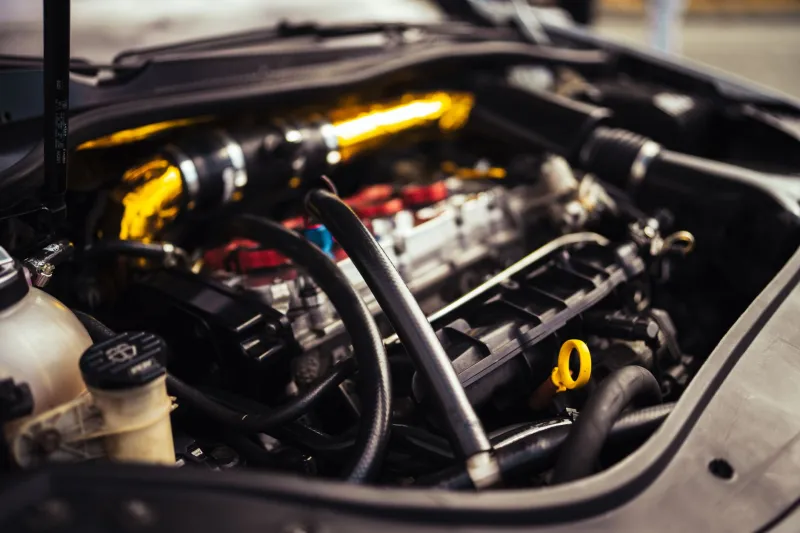
Intake valves: This is where attention is actually warranted. The carbon buildup problem on DI engines is real, and the fix is a walnut shell blasting service — a shop procedure where the intake manifold is removed and abrasive media is used to blast the deposits off the valves. It's not cheap (typically $300 to $500), but it's the only thing that actually works. Some owners on high-mileage DI engines do this around 80,000 to 100,000 miles as a preventative measure.
Fuel filter: If your vehicle has a serviceable external fuel filter, follow the manufacturer's interval — usually every 30,000 miles or so. Many modern vehicles have integrated pump-and-filter assemblies inside the tank that are designed to last the life of the pump. Replacing those only makes sense when the pump is being replaced.
The Additive Industry's Dirty Little Secret
Fuel additive manufacturers are not obligated to prove their products work before selling them. The regulatory bar is low, and the marketing language is carefully constructed to imply benefits without technically guaranteeing them. Words like "helps restore," "may improve," and "designed to clean" are doing a lot of work in those product descriptions.
That's not to say every additive is useless. Fuel stabilizers, for instance, are genuinely effective for storage applications — they prevent fuel degradation when a vehicle sits for extended periods. Isopropyl alcohol-based products can help with water contamination in cold climates. There are specific, legitimate use cases.
But the idea that you should be running a fuel system cleaner through your 2021 truck every other oil change? That's marketing, not maintenance. Your truck's fuel system was engineered with tolerances and materials that older additive chemistries weren't designed around.
What Modern Maintenance Actually Looks Like
Here's a more honest maintenance philosophy for today's fuel systems:
- Buy quality fuel consistently. Top Tier certified gasoline is the single most impactful thing you can do for long-term fuel system health. It's not always more expensive — many major chains carry it.
- Follow your manufacturer's service intervals, not aftermarket marketing. If your owner's manual doesn't mention a fuel system cleaning service, there's a reason.
- Address symptoms, don't chase prevention with products that don't reach the problem. Rough idle, hesitation, and hard starts are worth diagnosing — not masking with a bottle of cleaner.
- Plan for intake valve cleaning if you own a GDI vehicle past 80,000 miles. It's the maintenance item most owners don't know about until they're already having problems.
Your dad's advice came from real experience with real vehicles. But those vehicles are gone. The machine in your driveway needs you to think differently — and that's actually a good thing, because the new approach is cleaner, more targeted, and a lot less about buying products you don't need.