Before You Sign: The Fuel System Inspection Every Used Car Buyer Needs to Run First

There's a certain thrill to buying a used vehicle. You find the right truck, the price feels fair, and suddenly you're imagining all the miles ahead. What most buyers don't imagine — until it's too late — is the fuel system they just inherited. Tanks that sat dry for months, injectors clogged with old deposits, pumps running on borrowed time. These are the hidden costs that don't show up on the Carfax.
The good news? A little due diligence before you sign goes a long way. You don't need to be a mechanic to catch the red flags. You just need to know what you're looking at — and what questions to ask.
Start With the Simple Stuff: The Fuel Smell Test
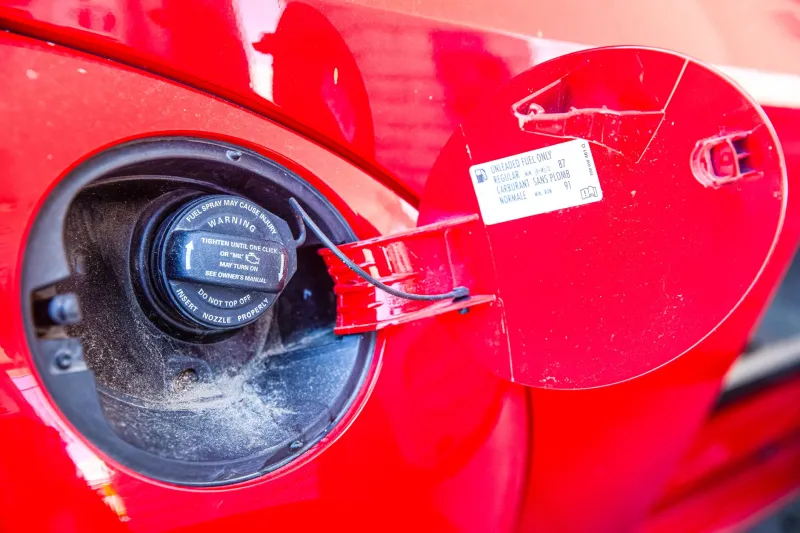
This sounds almost too basic, but it matters. Pop the gas cap and take a careful sniff. A healthy fuel system has a clean, sharp fuel odor — nothing more. If you're getting something sour, stale, or vaguely sulfuric, that's a sign the tank may have sat with degraded fuel inside it for a long stretch. Old gasoline breaks down, leaves varnish deposits on tank walls, and can gum up fuel lines and injectors over time.
While you've got the cap off, look at the cap itself. Cracked rubber seals, stripped threads, or a cap that doesn't click firmly into place are small issues that hint at bigger patterns of neglect. A loose-fitting cap lets in moisture and contaminants. It's a cheap fix on its own, but it tells you something about how this vehicle was cared for.
Get Under the Vehicle and Look at the Tank
If you can safely get underneath — or if the seller allows a lift inspection at a shop — take a good look at the fuel tank itself. What you want is a tank that's clean on the exterior, with no visible rust spots, dents, or road rash that could indicate physical damage or corrosion working its way in.
Pay particular attention to the seams and mounting straps. Rust on the straps is common in northern states where road salt is heavy, and it's more than cosmetic. A strap that's corroding through can eventually fail, leaving you with a dangling fuel tank on the highway. Replacing straps is relatively affordable, but it's solid negotiating leverage.
Look at the fuel lines running from the tank toward the engine. Rubber sections should be pliable, not cracked or stiff. Metal sections shouldn't show heavy surface rust or signs of patching. If anything looks like it was repaired with tape or a hose clamp in a questionable spot, flag it.
The Fuel Pump: Listening Is Your Best Tool
Here's a quick trick that costs you nothing. Before starting the vehicle, sit in the driver's seat with the door closed and turn the ignition to the "on" position without cranking the engine. Listen carefully for about two seconds. You should hear a faint whirring sound from the rear of the vehicle — that's the fuel pump pressurizing the system. It should be brief, consistent, and quiet.
If you hear nothing, that's a concern. If you hear grinding, whining, or a noise that sounds more like effort than efficiency, the pump may be on its way out. Fuel pump replacement on a modern vehicle typically runs $400 to $900 depending on the make and model, and that number climbs on trucks and SUVs where tank removal is more involved.
Also note how the engine starts. A vehicle that cranks longer than it should before firing could have a pump that's not building pressure properly — or it could indicate a leak-down issue in the fuel rail.
Check the Service History for Fuel Filter Records
Not every vehicle has a serviceable inline fuel filter anymore — many modern cars filter at the pump inside the tank — but for older trucks and vehicles that do have one, ask for maintenance records. A fuel filter that's never been changed on a high-mileage used vehicle is a red flag. A clogged filter stresses the fuel pump, shortens its life, and can restrict fuel delivery enough to cause hesitation or rough running under load.
If the seller can't produce records and the vehicle has 80,000 miles or more, assume the filter hasn't been touched. Factor that into your offer.
Injector and Throttle Body Clues During the Test Drive
You learn a lot about injector health during a test drive, even if you're not a technician. Here's what to watch for:
- Rough idle at a stop. A vehicle that shakes or surges at idle could have one or more injectors that are partially clogged or leaking.
- Hesitation on acceleration. If there's a flat spot or stumble when you press the gas from a rolling speed, that's worth noting.
- Fuel smell inside the cabin. Any fuel odor while driving, especially with the vents open, could indicate a leaking injector O-ring or a cracked fuel rail — both of which are fire hazards, not just annoyances.
None of these symptoms alone are necessarily dealbreakers, but each one is a data point. And each one is a line item you can use to negotiate the price down.
Use What You Find as Leverage, Not Just a Checklist
Here's the part most buyers skip: actually using their findings. If the fuel pump sounds rough, get a quote from a shop before you finalize the deal. If the tank shows rust, ask for a deduction. If there are no service records at all, that uncertainty has value — and it should come off the asking price.
A seller who's confident in the condition of the vehicle won't blink at letting you take it to an independent shop for a pre-purchase inspection. That inspection, which typically costs $100 to $150, should include a fuel pressure test. If the pressure is low or drops off too quickly, you've got your answer.
The Bottom Line Before You Tank Up That First Time
Buying used is smart. Buying used without looking at the fuel system first is just rolling the dice. The tank, pump, lines, and injectors are the circulatory system of any vehicle, and if they've been neglected, the repair bills show up fast and don't come cheap.
Take fifteen minutes before you sign. Smell the cap, look at the tank, listen to the pump, and drive it hard enough to see how the injectors behave. That's not being difficult — that's being a smart buyer. And if the seller won't give you the time to do it, that tells you something too.